Est. 1996 · Seaford, Victoria
Torque converter remanufacturing, performance builds & industrial repairs.
For almost three decades our team has remanufactured, modified and custom-built torque converters for street cars, race vehicles, 4x4s and industrial equipment — backed by staff who have worked in the transmission industry since the 1980s.
Who we are
Family-run, industry-trained, still hands-on.
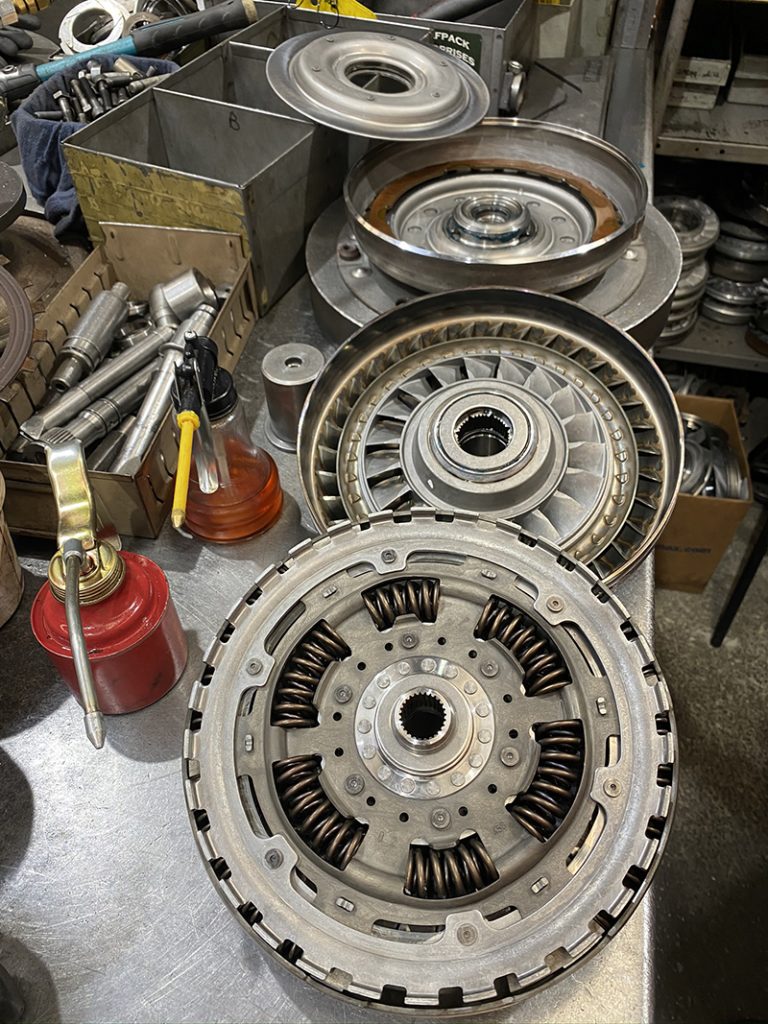
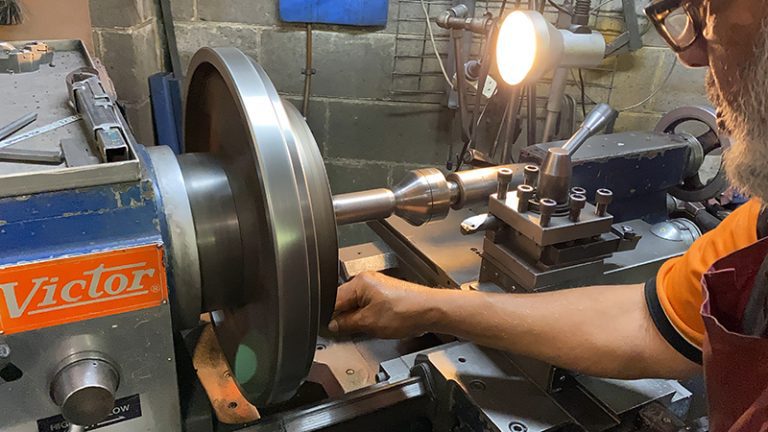
Torque Converter Technologies was established in 1996 and is led by proprietor Nazir. Our team of 15 specialists includes staff who have worked in the transmission industry since the 1980s, giving every converter that leaves our workshop the benefit of decades of hands-on experience.
What we offer
Remanufactured, performance, heavy-duty and custom converters.
We build and repair torque converters for a wide range of makes, including:
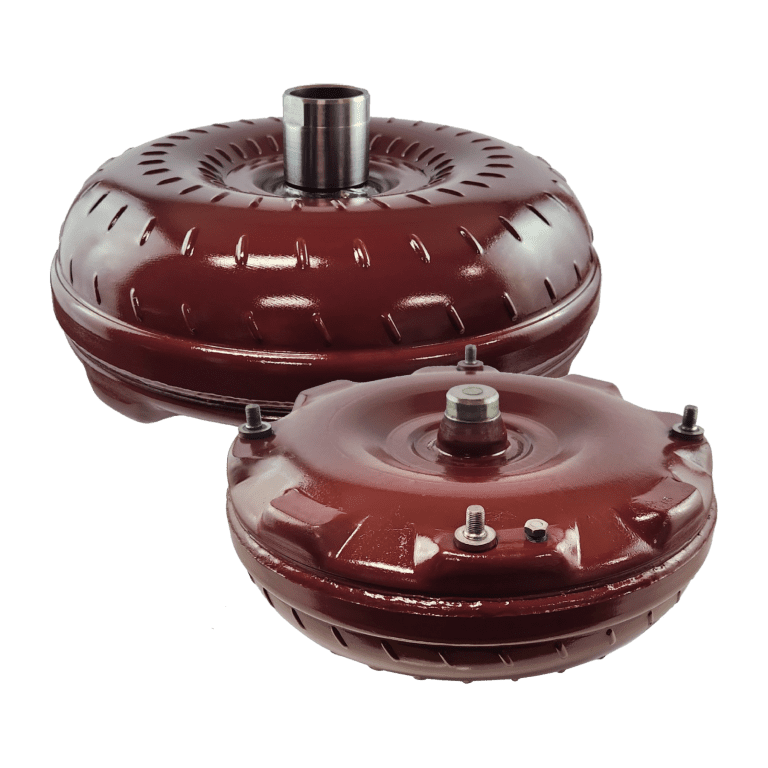
Remanufactured converters
Rebuilt to OEM specification for everyday road vehicles, using quality parts and thorough testing.

Performance converters
Accelerator brand aftermarket converters tuned for street cars through to full race applications.
Heavy-duty & custom builds
Custom and heavy-duty converters engineered for towing, 4x4 and demanding load conditions.
Brands we work on
Ford, Chrysler, GM, Toyota, Subaru, Mercedes-Benz, Land Rover and more — see our Converter Database for common applications.
Common questions
Torque converter basics
Answers to the questions we're asked most often about converters and stall speed.
A torque converter connects your engine to an automatic transmission. Unlike a clutch, it uses fluid coupling to transmit power, and provides torque multiplication — which allows a converter to provide better low speed acceleration than a straight fluid coupling.
Stall speed is the RPM at which the converter will hold back or limit the engine when the transmission is in gear and the brakes are applied. A higher stall speed lets the engine rev further into its power band before the vehicle moves off, which is why it's a key spec for performance builds.
A lockup converter has a clutch that creates a direct, 1:1 mechanical connection between the engine and transmission once the vehicle reaches a set speed, removing the fluid coupling slip and improving fuel efficiency and cruising temperatures.
Selection depends on your vehicle's weight, gearing, intended use (street, tow, strip or industrial) and, for performance builds, your camshaft profile — a bigger cam typically wants a higher stall speed to keep the engine in its power band. Talk to our team with your combo and we'll recommend a stall speed and build.
Yes — a more aggressive camshaft moves the engine's usable power band higher in the rev range, so it generally needs a higher stall speed converter to launch effectively and avoid bogging off the line.